Abstract
The present study examines the impact of neuro-energetic factors on employee motivation and job satisfaction, emphasizing the interaction between physiological energy regulation, cognitive functioning, emotional balance, stress responses, and workplace behaviour. Neuro-energetic functioning reflects the availability and regulation of mental and physiological resources required for attention, decision-making, emotional control, and sustained work performance. According to Hobfoll’s (1989) Conservation of Resources Theory, individuals strive to preserve and replenish valued personal resources, including energy, while persistent resource depletion may result in stress, disengagement, and reduced work satisfaction. Similarly, the Job Demands–Resources model suggests that adequate psychological and energetic resources enhance work engagement and motivation, whereas excessive demands may lead to exhaustion and burnout (Bakker & Demerouti, 2007). From a motivational perspective, fulfilment of autonomy, competence, and relatedness strengthens intrinsic motivation and psychological well-being (Deci & Ryan, 2000; Ryan & Deci, 2017). Prolonged occupational stress may disrupt neurobiological regulation and contribute to cumulative physiological strain or allostatic load, thereby affecting employees’ emotional stability and workplace functioning (McEwen, 1998). Job satisfaction, in turn, reflects employees’ affective evaluation of their work experiences and conditions (Locke, 1976). The study proposes that balanced neuro-energetic functioning promotes greater vitality, concentration, resilience, intrinsic motivation, and positive job attitudes, whereas sustained energetic depletion may contribute to fatigue, reduced motivation, dissatisfaction, and occupational stress. The findings may assist organizations in developing employee-well-being strategies that integrate workload management, recovery opportunities, psychological support, and resource-enhancing workplace practices to improve both employee motivation and job satisfaction.
- Neuro-Energetic Factors
- Employee Motivation
- Job Satisfaction
- Psychological Energy
- Occupational Stress
- Work Engagement
- Employee Well-Being
Introduction#
Employee motivation and job satisfaction are two important dimensions of organizational behaviour because they directly influence employee performance, commitment, productivity, retention, and overall workplace effectiveness. In contemporary organizations, employees are required to manage increasing workloads, technological changes, continuous communication, strict deadlines, and complex decision-making responsibilities. Such demands not only affect their psychological state but also influence the availability and regulation of mental and physiological energy required for effective work performance. In this context, the concept of neuro-energetic factors provides an emerging perspective for understanding how energy regulation, cognitive functioning, emotional stability, stress response, and recovery processes may shape employees’ motivation and satisfaction at work.
Neuro-energetic factors may be understood as the physiological, cognitive, and psychological processes that influence an individual’s capacity to maintain attention, regulate emotions, respond to stress, and sustain mental effort. The human brain requires continuous metabolic resources to perform cognitive activities, and prolonged exposure to occupational demands may result in mental fatigue and depletion of psychological resources. McEwen (1998) explained that continuous stress produces allostatic load, which may affect physiological regulation and psychological functioning. When employees experience prolonged stress without sufficient recovery, they may demonstrate reduced concentration, emotional exhaustion, low enthusiasm, and decreased willingness to invest effort in organizational activities.
The relationship between energy resources and employee behaviour can also be explained through the Conservation of Resources Theory. Hobfoll (1989) proposed that individuals attempt to acquire, preserve, and protect valuable resources, including energy, psychological strength, time, and emotional stability. Loss or depletion of these resources may generate stress, while adequate resources help individuals cope effectively with workplace demands. Therefore, employees who experience sufficient psychological energy, emotional balance, and opportunities for recovery are more likely to remain motivated and engaged in their work.
Employee motivation refers to the internal and external forces that initiate, direct, and sustain work-related behaviour. Self-Determination Theory emphasizes that motivation is strengthened when individuals experience autonomy, competence, and relatedness within their working environment (Deci & Ryan, 2000; Ryan & Deci, 2017). Neuro-energetic stability may support these motivational processes by enabling employees to maintain concentration, regulate emotions, experience vitality, and participate actively in work-related activities. In contrast, persistent mental fatigue and energetic depletion may weaken intrinsic motivation and contribute to withdrawal, disengagement, and reduced work effort.
Job satisfaction refers to an employee’s positive or negative evaluation of his or her job and work experiences. Locke (1976) described job satisfaction as a pleasurable emotional state resulting from the appraisal of one’s job or job experiences. Employees who experience manageable workloads, sufficient recovery, supportive relationships, psychological safety, and emotional stability are more likely to develop favourable attitudes toward their jobs. The Job Demands–Resources model further suggests that adequate job and personal resources promote motivation and work engagement, while excessive demands can contribute to exhaustion and impaired well-being (Bakker & Demerouti, 2007).Thus, neuro-energetic factors may play an important role in explaining variations in employee motivation and job satisfaction. Adequate cognitive and emotional energy can enhance concentration, resilience, enthusiasm, engagement, and positive workplace attitudes, whereas continuous depletion may lead to fatigue, occupational stress, reduced motivation, and dissatisfaction. Understanding these relationships may help organizations develop effective strategies related to workload management, employee recovery, psychological support, flexible work practices, and workplace well-being. The present study therefore examines the impact of neuro-energetic factors on employee motivation and job satisfaction and highlights their relevance for creating healthier, more productive, and psychologically sustainable work environments.
Review of Literature#
Asamani et al. (2025) investigated the combined role of resource availability, role clarity, employee motivation, job satisfaction, and employee performance in organizational effectiveness. Based on data collected from 306 employees, the study found that resource availability significantly predicted job satisfaction, while employee motivation and job satisfaction contributed positively to employee performance and organizational effectiveness. These findings are relevant to neuro-energetic perspectives because adequate organizational resources may reduce resource depletion and enable employees to sustain cognitive and psychological energy required for motivated work behaviour.
DeHaan et al. (2024) specifically examined energy in the workplace by extending the Job Demands–Resources framework to include employees’ vitality as an internal resource. Their study of 5,280 workers revealed that employee vitality, managerial autonomy support, and organizational support positively predicted enthusiasm, enjoyment, and job satisfaction, whereas work stress showed negative relationships with these outcomes. The study provides direct evidence that employees’ available energy and vitality represent important psychological resources influencing workplace motivation and satisfaction.
Bakker, Demerouti, and Sanz-Vergel (2023) reviewed developments in Job Demands–Resources Theory and emphasized that work engagement represents a positive motivational state characterized by vigor, dedication, and absorption. They observed that excessive job demands contribute to exhaustion and burnout, whereas adequate job and personal resources promote motivation and engagement. Their findings reinforce the importance of maintaining employees’ energetic resources for sustainable motivation, psychological well-being, and favourable work-related outcomes.
Galanakis and Tsitouri (2022), through a systematic review of Job Demands–Resources research, found consistent evidence that excessive job demands are associated with burnout, psychological strain, and exhaustion, while job resources positively influence work engagement and employee well-being. The authors further noted that personal resources can directly affect well-being and can mediate the relationship between organizational resources and engagement. These findings suggest that effective regulation and preservation of employees’ psychological energy are important in preventing exhaustion and supporting motivation.
Rai and Chawla (2021) examined the relationship among job resources, job demands, work engagement, job satisfaction, and organizational engagement among employees working in public-sector banks in North India. Their findings indicated that appropriate job resources and manageable job demands enhance work engagement, which subsequently contributes to greater job satisfaction and organizational engagement. The study highlights the importance of balancing work-related demands with sufficient resources to prevent energy depletion and maintain positive employee attitudes.
Nerstad et al. (2020) explored the relationship between motivational climate and employee energy using vigor and emotional exhaustion as indicators of energy at work. Based on a two-wave study involving 1,081 engineers and technologists, the researchers found that a mastery-oriented motivational climate supported employees’ basic psychological needs for autonomy, competence, and relatedness. Satisfaction of these needs was positively related to vigor and negatively related to emotional exhaustion. The study demonstrates that supportive motivational environments can preserve employee energy and enhance psychologically sustainable motivation.
Jiang et al. (2019) examined the influence of leaders’ positive affective presence on employees and found that positive leader behaviour enhanced employees’ energy at work, which subsequently contributed to improved service performance. Their study demonstrated that employee energy acts as an important psychological mechanism connecting workplace emotional experiences with behavioural outcomes. This indicates that positive interpersonal and emotional conditions in the organization may strengthen employee vitality, motivation, and positive attitudes towards work.
Ananthram et al. (2018) studied high-performance work systems and employee outcomes among Indian call-centre employees. Their findings revealed positive relationships between supportive human-resource practices, job satisfaction, employee engagement, and well-being. Job satisfaction was also positively related to engagement. The study suggests that organizational practices capable of providing employees with adequate support and resources may enhance their psychological well-being and willingness to invest sustained energy in workplace activities.
Bakker and Demerouti (2017) further developed Job Demands–Resources Theory and explained that job demands require sustained physical, cognitive, and emotional effort and may consequently generate psychological or physiological costs. In contrast, job resources possess motivational potential, facilitate goal achievement, and reduce the negative effects of demanding working conditions. Their work provides a strong theoretical foundation for understanding neuro-energetic factors, as continuous job demands may consume employees’ psychological and cognitive resources, whereas sufficient resources can maintain vigor, engagement, motivation, job satisfaction, and overall employee well-being.
Concept of Neuro-Energetic Factors and Employee Motivation#
1. Neuro-Energetic Regulation: Neuro-energetic regulation refers to the processes through which cognitive, emotional, and physiological energy is maintained and distributed during work activities. Effective energy regulation helps employees remain attentive, mentally active, and capable of sustaining effort during demanding tasks.
2. Cognitive Energy and Work Focus: Cognitive energy supports concentration, memory, decision-making, and problem-solving. Employees with adequate cognitive energy are generally better able to focus on goals, process information efficiently, and maintain consistent performance throughout the working period.
3. Emotional Energy and Motivation: Emotional energy reflects the ability to maintain positive affect, enthusiasm, and emotional stability at work. Higher emotional energy may enhance interest in tasks, willingness to participate, and persistence, while emotional exhaustion can reduce motivation and involvement.
4. Stress Regulation and Motivational Capacity: Prolonged workplace stress consumes psychological and physiological resources and may weaken an employee’s capacity to remain motivated. Effective stress regulation helps conserve internal energy and enables employees to respond to challenges with greater resilience and persistence.
5. Recovery, Vitality and Work Engagement: Adequate rest, recovery, and psychological detachment from work help restore depleted energy resources. Employees who experience higher vitality are more likely to demonstrate vigor, active participation, and sustained engagement in organizational activities.
6. Neuro-Energetic Balance and Employee Motivation: A balanced neuro-energetic state supports intrinsic motivation by maintaining mental clarity, emotional stability, and physical vitality. When employees possess sufficient energetic resources, they are more likely to show initiative, commitment, persistence, and positive work behaviour.
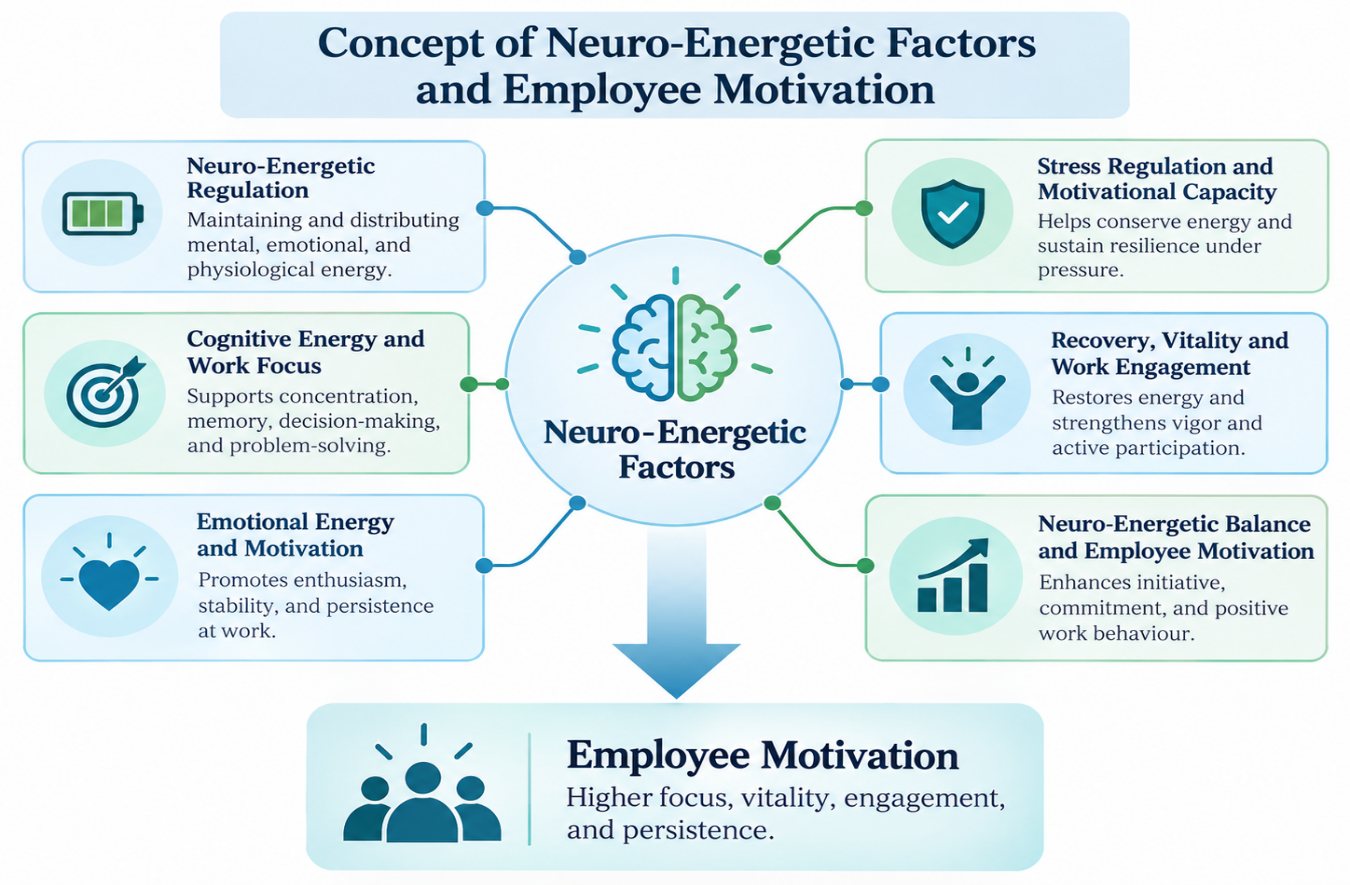
Figure 1: Concept of Neuro-Energetic Factors and Employee Motivation
Concept of Neuro-Energetic Factors and Job Satisfaction#
1. Neuro-Energetic Stability and Workplace Experience: Neuro-energetic stability refers to the balanced functioning of cognitive, emotional, and physiological energy systems during work. When employees experience stable energy levels, they are more likely to perceive their workplace positively and develop greater satisfaction with their roles and responsibilities.
2. Cognitive Energy and Job Satisfaction: Adequate cognitive energy enables employees to think clearly, solve problems, make decisions, and complete tasks efficiently. When employees feel mentally capable and less cognitively exhausted, they are more likely to experience competence, accomplishment, and satisfaction in their jobs.
3. Emotional Balance and Positive Job Attitudes: Emotional regulation helps employees manage frustration, workplace pressure, and interpersonal challenges. Positive emotional energy can strengthen feelings of enthusiasm, belonging, and psychological comfort, thereby contributing to more favourable attitudes toward the job and organization.
4. Stress, Energy Depletion and Job Dissatisfaction: Continuous occupational stress can gradually deplete psychological and physiological energy resources. Persistent fatigue, emotional exhaustion, and mental overload may reduce employees’ enjoyment of work and contribute to dissatisfaction, disengagement, and negative workplace perceptions.
5. Recovery and Employee Well-Being: Rest, psychological detachment, adequate sleep, and recovery opportunities help employees restore depleted energy resources. Effective recovery improves vitality and emotional well-being, allowing employees to return to work with greater energy and a more positive evaluation of their work environment.
6. Neuro-Energetic Balance and Overall Job Satisfaction: Balanced neuro-energetic functioning supports concentration, emotional stability, resilience, and a sense of well-being at work. Employees with sufficient mental and emotional energy are more likely to experience comfort, fulfilment, involvement, and overall satisfaction with their jobs.
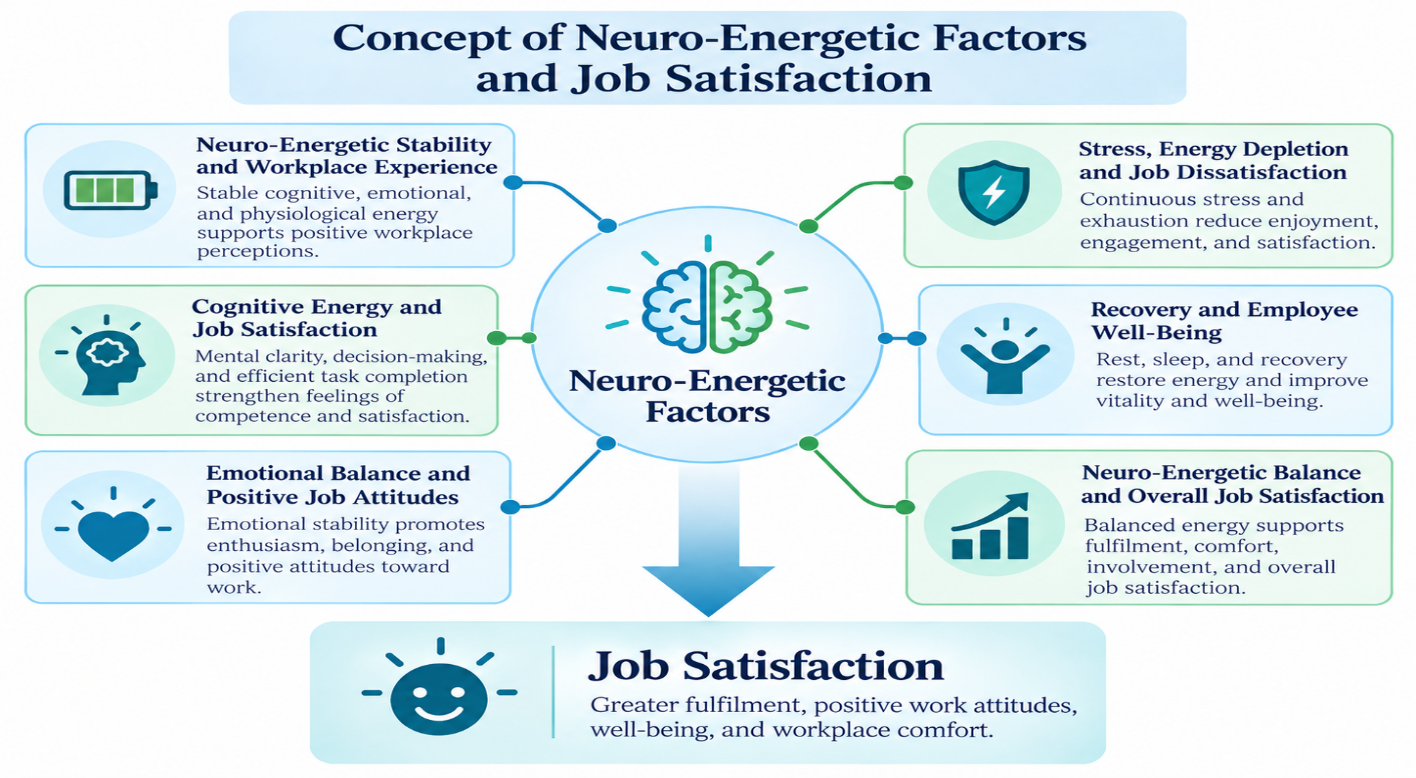
Figure 2: Concept of Neuro-Energetic Factors and Job Satisfaction
Relationship between Employee Motivation and Job Satisfaction#
1. Motivation as a Driver of Job Satisfaction: Employee motivation influences the amount of interest, effort, and commitment individuals bring to their work. When employees feel internally motivated and perceive their work as meaningful, they are more likely to experience positive emotions and greater satisfaction with their jobs.
2. Intrinsic Motivation and Work Fulfilment: Intrinsic motivation develops when employees perform tasks because they find them interesting, meaningful, or personally rewarding. Such motivation creates a sense of achievement, competence, and fulfilment, which can strengthen overall job satisfaction.
3. Extrinsic Motivation and Employee Satisfaction: Extrinsic factors such as salary, incentives, recognition, promotion, and job security can also influence employee motivation. Fair and appropriate rewards may increase employees’ perception that their efforts are valued, thereby improving satisfaction and commitment toward the organization.
4. Work Engagement and Positive Job Attitudes: Motivated employees are generally more willing to invest cognitive, emotional, and behavioural energy in their work. Greater work engagement can enhance enthusiasm, involvement, and a sense of belonging, contributing to more positive attitudes toward both the job and the organization.
5. Job Satisfaction as Reinforcement of Motivation: The relationship between motivation and job satisfaction can be reciprocal. While motivation can increase satisfaction through achievement and engagement, satisfied employees may also demonstrate stronger enthusiasm, persistence, organizational commitment, and willingness to perform effectively.
6. Combined Influence on Employee Performance and Well-Being: High motivation together with strong job satisfaction can create favourable employee outcomes, including greater productivity, commitment, psychological well-being, and reduced intention to leave. Therefore, organizations that simultaneously strengthen employee motivation and satisfaction are more likely to develop an engaged, stable, and productive workforce.
Conclusion#
The present study highlights the importance of neuro-energetic factors in understanding employee motivation and job satisfaction. Cognitive energy, emotional stability, stress regulation, recovery, vitality, and physiological balance collectively influence how employees respond to workplace demands and maintain effective performance. When employees possess adequate mental and emotional energy, they are more likely to remain focused, motivated, engaged, and satisfied with their work. In contrast, prolonged stress, fatigue, and energy depletion may reduce enthusiasm, increase emotional exhaustion, and contribute to dissatisfaction and disengagement. Employee motivation and job satisfaction are also closely interconnected. Motivation encourages greater involvement, persistence, and commitment, while job satisfaction reinforces positive attitudes and willingness to contribute to organizational goals. Therefore, maintaining neuro-energetic balance may serve as an important mechanism for improving both motivation and satisfaction simultaneously. Organizations should promote supportive work environments, balanced workloads, adequate recovery opportunities, psychological safety, recognition, and employee well-being initiatives. Such practices can help conserve employee energy, strengthen motivation, improve job satisfaction, and support sustainable organizational performance. Overall, the neuro-energetic perspective provides a useful framework for understanding how internal energy resources shape positive workplace behaviour and employee well-being.
References#
- Ananthram, S., Xerri, M. J., Teo, S. T. T., & Connell, J. (2018). High-performance work systems and employee outcomes in Indian call centres: A mediation approach. Personnel Review, 47(4), 931–950. doi:10.1108/PR-09-2016-0239.
- Asamani, L., Acquah-Coleman, R., Senayah, W. K., & Oppong, S. (2025). Interactive roles of resource availability, role clarity and employee motivation in enhancing organisational effectiveness through employee performance and job satisfaction. Discover Psychology, 5, Article 12. doi:10.1007/s44202-025-00333-8.
- Bakker, A. B., & Demerouti, E. (2017). Job demands–resources theory: Taking stock and looking forward. Journal of Occupational Health Psychology, 22(3), 273–285. doi:10.1037/ocp0000056.
- Bakker, A. B., Demerouti, E., & Sanz-Vergel, A. (2023). Job demands–resources theory: Ten years later. Annual Review of Organizational Psychology and Organizational Behavior, 10, 25–53. doi:10.1146/annurev-orgpsych-120920-053933.
- Deci, E. L., & Ryan, R. M. (2000). The “what” and “why” of goal pursuits: Human needs and the self-determination of behavior. Psychological Inquiry, 11(4), 227–268.
- DeHaan, C. R., Bradshaw, E. L., Diaz-Castillo, S., Trautman, T. C., Rigby, C. S., & Ryan, R. M. (2024). Energy in the workplace: Job demands, job resources, and employees’ inner resources as pathways to organizational outcomes. Frontiers in Psychology, 15, 1413901. doi:10.3389/fpsyg.2024.1413901.
- Galanakis, M. D., & Tsitouri, E. (2022). Positive psychology in the working environment: Job demands-resources theory, work engagement and burnout: A systematic literature review. Frontiers in Psychology, 13, 1022102. doi:10.3389/fpsyg.2022.1022102.
- Hobfoll, S. E. (1989). Conservation of resources: A new attempt at conceptualizing stress. American Psychologist, 44(3), 513–524. doi:10.1037/0003-066X.44.3.513.
- Jiang, J., Gu, H., Dong, Y., & Tu, X. (2019). The better I feel, the better I can do: The role of leaders’ positive affective presence. International Journal of Hospitality Management, 78, 251–260. doi:10.1016/j.ijhm.2018.09.007.
- Locke, E. A. (1976). The nature and causes of job satisfaction. In M. D. Dunnette (Ed.), Handbook of industrial and organizational psychology (pp. 1297–1349). Rand McNally.
- McEwen, B. S. (1998). Protective and damaging effects of stress mediators. The New England Journal of Medicine, 338(3), 171–179. doi:10.1056/NEJM199801153380307.
- Nerstad, C. G. L., Caniëls, M. C. J., Roberts, G. C., & Richardsen, A. M. (2020). Perceived motivational climates and employee energy: The mediating role of basic psychological needs. Frontiers in Psychology, 11, 1509. doi:10.3389/fpsyg.2020.01509.
- Rai, A., & Chawla, G. (2021). Exploring the interrelationship among job resources, job demands, work and organizational engagement. International Journal of Productivity and Performance Management, 71(5), 1916–1934. doi:10.1108/IJPPM-05-2020-0246.
- Ryan, R. M., & Deci, E. L. (2017). Self-determination theory: Basic psychological needs in motivation, development, and wellness. Guilford Press.